Baseball 24 Oz Cold Cup Wrap
A Designer’s First Look: Clean, Nostalgic, and Purpose-Built
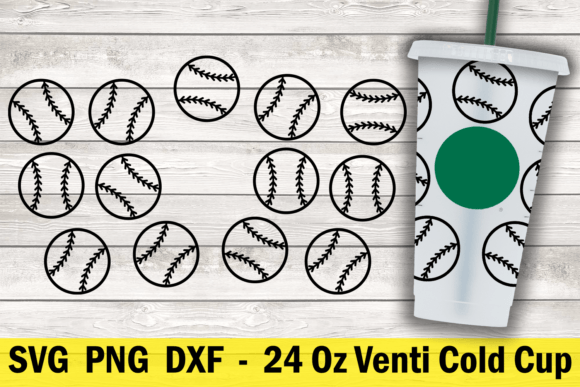
Opening the Baseball 24 Oz Cold Cup Wrap files, I immediately notice how tightly focused this design is—not in a limiting way, but in a refreshingly intentional one. It doesn’t try to be a full baseball scene or a layered emblem with bats, gloves, and stitching flourishes. Instead, it leans into clean iconography: a stylized baseball with subtle stitch lines, balanced proportions, and a wrap format that clearly anticipates its home—around the curved surface of a 24 oz cold cup. As a designer who’s spent years adapting graphics for embroidery, I appreciate that restraint. It signals respect for the medium: no tiny floating elements, no fragile serifs, no over-engineered gradients that won’t translate to thread.
Where This Design Truly Shines (and Where It Doesn’t Try To)
I recently used Baseball 24 Oz Cold Cup Wrap as the anchor motif on a custom embroidered tote bag for a local little league fundraiser. We paired it with simple block-letter team initials beside it—not part of the original file, but easy to add because the design’s layout left breathing room. The result? Instant recognition, zero confusion, and a handmade product that looked cohesive, not cluttered. That’s the sweet spot: embroidery project simplicity that still feels personal and spirited.
It works especially well on sweatshirt embroidery where boldness matters, on baby embroidery (think onesies or bibs) when scaled down thoughtfully, and on holiday embroidery like Father’s Day mugs or aprons for baseball-loving dads. As a digital embroidery file, it also holds up beautifully in printable mockups—its pre-sized, 300 dpi clarity means your Etsy seller listings look sharp and trustworthy, even before stitching begins.
Real-World Embroidery Considerations You Can’t Skip
This isn’t a “drop-in-and-stitch” design if you’re aiming for professional results—especially on textured fabrics like terry cloth tea towels or stretchy knit sweatshirts. The wrap format means curvature affects stitch tension, so proper stabilizer choice is non-negotiable. I recommend medium-weight cutaway for most apparel uses, and tear-away for smoother cottons like pillow covers or kitchen towels.
Small hoop sizes? Proceed with caution. While the design is pre-sized for its intended use, compressing it further risks losing legibility in the stitch lines—those subtle satin stitch details that mimic real baseball stitching need space to breathe. On dark fabric, test thread colors first: a classic red or navy works, but avoid near-black threads that disappear into the background. And on layered garments—like an embroidered patch sewn onto a denim jacket—check whether the fill stitch density creates unwanted stiffness. When in doubt, run a test on scrap fabric with your exact thread and stabilizer combo.
What Customers Actually Notice (and Why It Matters)
Buyers don’t see vector paths or DPI specs—they see confidence. A clean, well-executed Baseball 24 Oz Cold Cup Wrap on a custom cap tells them you understand both craft and context. It reads as thoughtful, not generic. That builds trust, especially for small shop products where handmade presentation directly influences perceived value. I’ve watched customers pause at craft fairs to trace the curve of this design on a tote bag—it’s just detailed enough to invite attention, but never busy enough to overwhelm.
For Etsy sellers and creative entrepreneurs, that quiet professionalism translates directly to buyer engagement. Listings featuring Baseball 24 Oz Cold Cup Wrap as part of a cohesive set—say, matching cup wraps, baby onesies, and mini patches—perform consistently better than standalone graphics. Why? Because it functions as reliable design assets: recognizable, adaptable, and rooted in a clear theme without leaning into cliché.
Smart Workflow Notes Every Embroidery Designer Should Keep Handy
- Always test first—not just on paper, but on your actual fabric type and hoop setup. What looks crisp in an SVG preview may shift under needle pressure.
- Review stitch density before finalizing. Dense fill areas can cause puckering on lightweight cotton or baby embroidery projects—adjust if needed.
- Confirm licensing before selling finished items or reselling the digital embroidery file. Since Baseball 24 Oz Cold Cup Wrap falls under Graphics and Crafts, double-check usage rights for commercial embroidery and digital product resale.
- Check contrast in black-and-white mockups. If the design loses definition without color, it’ll struggle on low-contrast fabric or in grayscale marketing materials.
- Compare light vs. dark backgrounds using your thread palette. Some reds pop on white but fade on charcoal—don’t assume.
- Verify hoop size compatibility before digitizing adjustments. Pre-sized doesn’t mean universal—know your machine’s limits.
Final Thought: A Quietly Confident Design Asset
Baseball 24 Oz Cold Cup Wrap isn’t flashy—but then, the best embroidery files rarely are. It’s a grounded, functional piece of design that understands its role: to elevate a handmade product without stealing focus from the person holding it, wearing it, or giving it as a personalized gift. Whether you’re building a craft business, stocking a boutique, or stitching holiday embroidery for family, this design earns its place by doing one thing exceptionally well—fitting its purpose, honoring the craft, and looking unmistakably *made*.