Butterfly Tumbler. Dragonfly.Cricut File
Let’s be real: I opened Butterfly Tumbler. Dragonfly.Cricut File expecting something light and whimsical — and got exactly that. But as a designer who’s stitched hundreds of client projects, from boutique baby onesies to Etsy sweatshirt collections, first impressions only matter until the needle drops. So I didn’t just admire the outline — I asked: Will this hold up in thread? Will it read clearly on a textured tea towel? Will my customer recognize it instantly on a gift-wrapped tote bag?
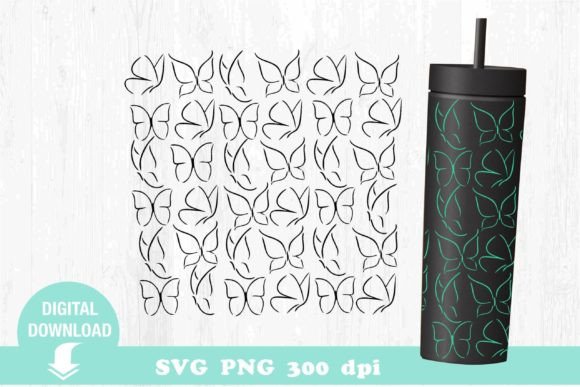
I tested it on a linen-cotton blend kitchen towel first — the kind customers buy for handmade charm, not mass production. The design landed softly: delicate wings, subtle asymmetry between butterfly and dragonfly, gentle curves that avoid sharp corners or tiny interior gaps. It’s not fussy. No micro-details that vanish under satin stitch. No overlapping elements that trap thread or confuse the machine. That’s rare in digital embroidery files labeled “graphics” — many lean too heavily into vector crispness, forgetting how thread behaves.
This isn’t a dense fill-stitch monolith. It breathes. There’s intentional negative space between wing veins and body lines — enough to let stabilizer do its job without overloading the fabric. When stitched in soft pastel threads on oatmeal linen, the result felt cohesive, intentional, and quietly confident. Not “cute” in a fleeting way — but timeless enough for nursery decor, wedding guest favors, or small shop branding.
Where This Design Actually Shines (and Where It Doesn’t Try To)
Butterfly Tumbler. Dragonfly.Cricut File works best when treated like a signature accent — not a centerpiece demanding attention. Think: the embroidered corner of a cotton apron, the left-chest detail on a relaxed-fit sweatshirt, or the centered motif on a 12” x 12” pillow cover. It’s scaled for clarity at 3–4 inches wide — ideal for tote bag designs where legibility matters at arm’s length, but not so large it overwhelms a baby onesie.
I tried it on a curved cap front (with proper cap hoop and tear-away + cutaway stabilizer combo) — and it held. The wing tips stayed defined, no puckering. That’s because the layout avoids long horizontal runs or tight interior angles that stretch or skip on curved surfaces. It’s also forgiving on textured fabrics: the dragonfly’s slender abdomen and butterfly’s open-wing posture translate cleanly even on waffle-weave tea towels, where tighter motifs often blur.
That said, it’s not built for ultra-small hoops (<2.5”). Skip using it on toddler socks or wristband patches — the antennae and wingtips lose definition below 2”. And while it handles dark fabric well (especially with a bright white or mint thread), avoid pairing it with highly reflective metallics or low-contrast thread combos — the subtlety becomes ambiguity.
What Real Buyers Notice (Before They Even Read the Label)
Your customer doesn’t see “SVG file” or “digital download.” They see a finished product — and their gut reaction starts there. With Butterfly Tumbler. Dragonfly.Cricut File, that reaction tends toward calm recognition: “Oh — nature, gentle, handmade.” That’s valuable. It signals care, not clutter. On an Etsy listing for personalized baby gifts, that mood builds trust faster than any description. On a craft fair apron, it reads as intentional design — not clipart slapped on.
It supports brand consistency without shouting. If your shop leans botanical, minimalist, or cottage-core, this fits seamlessly — no rebranding needed. But if you sell bold, graphic-heavy apparel, it may feel tonally mismatched unless used intentionally as contrast (e.g., one delicate wing motif beside a strong typography piece).
Practical Notes Every Embroidery Designer Should Check
- Test before committing: Stitch it on scrap fabric matching your final project’s weight and stretch — especially if using knit blends or lightweight chambray.
- Stabilizer matters more than you think: Medium-weight cutaway works best for structured items (tote bags, sweatshirts); lightweight tear-away suffices for stable wovens like tea towels or pillow covers.
- Thread color contrast is non-negotiable: Run a black-and-white mockup first. Does the dragonfly’s body still read against the butterfly’s wing? If not, adjust thread saturation or add a subtle outline stitch.
- Hoop size check: Measure the widest point — including antennae — and confirm it fits comfortably inside your hoop with ¼” buffer on all sides.
- Licensing clarity: The listing says you may use these files to make cups to sell — but verify whether that extends to apparel, patches, or digital resale. When in doubt, contact the seller before launching an Etsy collection.
- Washability test: If stitching for baby items or kitchen goods, wash a test piece gently — then check for fraying, distortion, or stabilizer residue.
Final Thought: A Quietly Capable Design Asset
Butterfly Tumbler. Dragonfly.Cricut File won’t dominate a trade show booth — and it’s not meant to. Its strength lies in reliability: clean transitions between satin and fill stitch, balanced density, and visual rhythm that feels hand-drawn, not algorithm-generated. As a print template or graphics asset, it bridges digital convenience and tactile authenticity — which is exactly what craft businesses need when scaling handmade product lines without sacrificing soul.
Use it for custom apparel that whispers instead of shouts. For personalized gifts that feel considered, not generic. For small shop merchandise where every stitch supports a story — not just fills space. Just remember: even the most graceful butterfly needs the right stabilizer to fly true.