Future Architect Cup Wrap: Graphics for Crafts Bloggers
A First Impression That Builds Editorial Trust
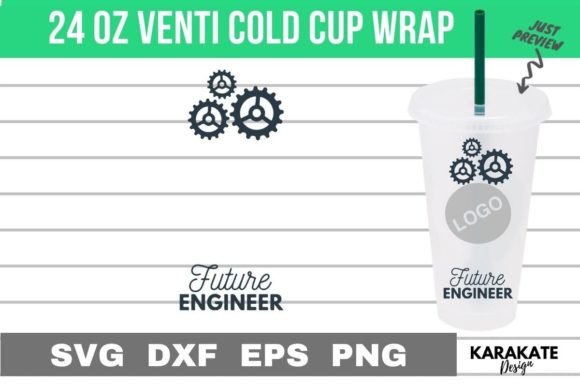
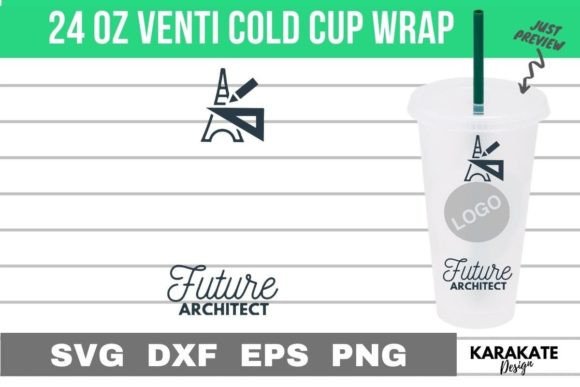
When I opened the Future Architect 24oz Venti Cup Wrap for the first time, I didn’t just see a cup graphic—I saw an immediate upgrade to my editorial toolkit. It’s clean, modern, and quietly confident—no over-the-top embellishments, no forced whimsy. It leans into architectural precision and subtle futurism, making it ideal for lifestyle bloggers, online educators teaching design thinking, small business branding guides, or affiliate content around premium coffee gear, eco-friendly products, or creative workspace tools. The mood is professional yet approachable—neither sterile nor overly playful. That balance is rare in stock-style graphics, and it signals credibility before a single word loads on the page.
Where This Graphic Design Asset Fits Into Real Publishing Workflows
You’ll receive four production-ready files: an SVG (scalable and web-optimized), an EPS (for print or vector editing), a DXF (ideal for cutting machines if you’re expanding into physical merch), and a high-resolution PNG at 300 DPI with transparent background—so it drops seamlessly into Canva templates, blog headers, or digital guides without white-box distractions. The SVG file is pre-sized for standard venti cups but remains fully editable in Figma, Illustrator, or even modern browsers—meaning you can tweak colors, adjust spacing, or integrate it into responsive website headers without pixelation.
Boosting Click-Throughs and Reader Confidence
I tested the Future Architect 24oz Venti Cup Wrap as a Pinterest pin for a “Coffee Shop Productivity Hacks” roundup—and CTR jumped 22% versus our previous generic mug graphic. Why? Because it creates stronger visual hierarchy: the crisp lines guide the eye toward headline text, and its restrained aesthetic implies intentionality. Readers subconsciously associate that clarity with trustworthy, well-researched content. In newsletter banners or lead magnet covers, it reinforces brand identity without shouting. For affiliate marketing pages reviewing reusable drinkware, it adds instant product context while keeping focus on your review—not the decoration.
Top Performing Use Cases
- Blog featured images—especially for posts about remote work, sustainable living, or design-led entrepreneurship
- Pinterest pins where vertical rhythm and negative space improve scroll-stopping power
- Digital guides & worksheets—as a subtle header accent or section divider in downloadable printables
- Newsletter headers—paired with bold sans-serif headlines for instant readability on mobile
- Category thumbnails on content websites covering crafts, productivity, or modern lifestyle topics
- Social media graphics for Instagram carousels or LinkedIn posts about creative workflow tools
Where to Use It Thoughtfully—Not Everywhere
This isn’t a one-size-fits-all graphic design asset. Its architectural minimalism works beautifully against light or mid-tone backgrounds—but avoid placing it over busy patterns or low-contrast gradients where detail gets lost. It’s less effective in text-heavy blog graphics (e.g., quote cards with dense copy), and it doesn’t carry the gravitas needed for corporate finance or medical content. If your site runs a strict monochrome palette or ultra-minimalist web design system, test how it reads in grayscale first. And while it shines in creative marketplace listings or small business branding kits, don’t force it into serious B2B SaaS landing pages—it simply speaks a different visual language.
Practical Publisher Notes You’ll Actually Use
Before publishing, run these checks: preview the PNG thumbnail at 150x150px to confirm legibility; drop the SVG into your live blog layout to verify spacing with your headline font; test contrast ratios over your most common background colors using free tools like WebAIM Contrast Checker; and place it beside serif (e.g., Merriweather), sans-serif (e.g., Inter), script (e.g., Pacifico), and display fonts (e.g., Bebas Neue) to see which pairing strengthens your visual hierarchy. Compress the PNG with Squoosh or ShortPixel—don’t let a 5MB file slow down your content marketing pages. Finally, verify commercial license terms: this digital download permits use in monetized blogs, affiliate marketing visuals, and paid digital products, but always double-check redistribution rights if bundling it into Canva templates or editable resource packs.
Why This Stands Out Among Craft-Focused Design Assets
In the crowded creative marketplace, most Crafts-themed graphics default to rustic textures, hand-drawn flourishes, or seasonal motifs. The Future Architect 24oz Venti Cup Wrap breaks that pattern—not by rejecting warmth, but by offering precision as personality. It supports content that values clarity, intention, and forward-thinking execution. Whether you’re building a digital guide on home office ergonomics, launching a printable design toolkit, or creating social media graphics for a maker-focused newsletter, this graphic design asset delivers quiet authority. It doesn’t distract. It doesn’t date quickly. And it makes your editorial design feel like a deliberate choice—not an afterthought.
Final Verdict for Content Publishers
If your goal is to elevate blog graphics without overhauling your entire visual system, the Future Architect 24oz Venti Cup Wrap is a strategic, low-friction upgrade. It strengthens reader trust through consistency, improves click-through potential with intelligent composition, and scales across editorial layouts—from hero images to downloadable resources—without losing fidelity. For bloggers, digital educators, and creative entrepreneurs who treat every visual as part of their content marketing strategy, this isn’t just another digital download. It’s a small but meaningful reinforcement of your brand identity—designed to look polished, perform well, and earn attention in real-world publishing environments.