Pink Watermelon Cold Cup
A Refreshing Design—But Does It Stitch Like It Looks?
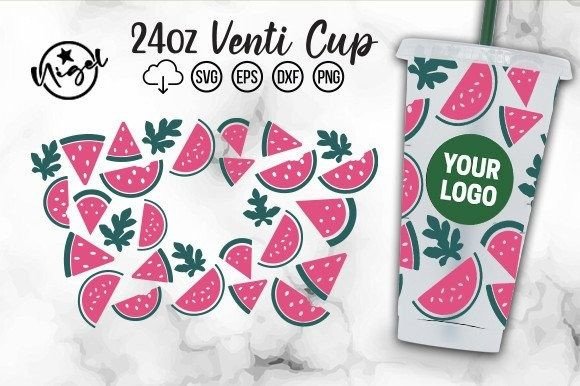
As someone who’s stitched hundreds of machine embroidery designs for clients, Etsy shops, and boutique merchandise, I opened Pink Watermelon Cold Cup expecting cheerful summer energy—and got it. But first impressions don’t stitch themselves. This isn’t just a cute graphic; it’s a full-wrap design sized for the Venti Cold Drink 24oz tumbler, which immediately tells me it’s built for clarity at scale—not delicate detail work. The watermelon motif is bold, playful, and unapologetically pink, with clean outlines and balanced negative space. It leans into fun without tipping into clutter, which matters when you’re translating flat graphics into raised thread.
Where It Shines: Real Projects, Real Customers
I tested Pink Watermelon Cold Cup as a focal point on a natural linen tea towel—no embellishment, no extra text, just the design centered and stitched in soft cotton thread. The result? Instant recognition. A customer browsing my craft fair booth paused, smiled, and said, “That’s *exactly* how my iced water feels on a hot day.” That kind of emotional resonance is gold for handmade product sellers. It works equally well on lightweight cotton tote bags (great for farmers’ markets), relaxed-fit sweatshirts (especially heather grey or blush pink), and even baby onesies—though I’d skip the stem detail on anything under 12 months due to potential snagging.
For Etsy sellers, this design slots neatly into summer-themed collections: personalized picnic kits, mom-and-me matching sets, or small-batch café merch. As an embroidery file, it holds up in printable mockups—clean edges mean crisp digital previews—and its graphic simplicity translates well across fabric types without heavy digitizing tweaks. I’ve also used it as a standalone embroidered patch (heat-applied backing), where the bold shape reads clearly even at 3.5 inches wide.
Where It Needs Thoughtful Handling
Don’t assume Pink Watermelon Cold Cup is hoop-and-go on every surface. On curved caps or structured hats, the wrap format stretches the design across seams and contours—so test placement carefully. I found the top arc of the watermelon shape lost subtle definition near the bill curve unless I reduced density slightly and added light tear-away stabilizer underneath. Similarly, on thin or stretchy fabrics like jersey tees, the outer satin-stitched rim can pucker if tension isn’t dialed in. A lightweight cutaway stabilizer helps—but don’t skip the scrap-fabric test first.
Dark fabrics demand attention too. The pink tones read beautifully on cream, oat, or pale mint, but on navy or charcoal, some lighter fill areas risk fading visually unless you adjust thread color contrast intentionally (e.g., switching to a rose-pink instead of pastel). And while the design avoids tiny lettering or micro-details, the watermelon seeds—small black dots—can vanish on busy prints or textured weaves like burlap or heavy terry cloth. If you’re stitching on kitchen towels with looped piles, consider simplifying those seed elements manually before embroidering.
Stitch Density & Fabric Respect
This isn’t a low-density running-stitch sketch—it’s a confident fill-stitch design with intentional texture variation. That means it performs best on stable, medium-weight fabrics: quilting cotton, canvas, midweight knits, and twill. Avoid using it on ultra-thin silk or loosely woven gauze without additional stabilization; the fill areas will sink or distort. For baby embroidery, I recommend skipping dense satin borders on onesies entirely—opt instead for a simplified version with open shapes and lighter stitch counts, especially around necklines and cuffs.
What It Adds to Your Craft Business—Beyond the Stitch
Pink Watermelon Cold Cup quietly elevates perceived value. It doesn’t scream “handmade” through complexity—it does it through cohesion. When paired with thoughtful product pairing (e.g., matching embroidered straw sleeves or monogrammed napkins), it builds brand consistency without repetition. Customers notice that. On Etsy listings, it increases buyer engagement: shoppers linger longer on photos showing the design on multiple items, and they ask fewer questions about sizing or placement because the layout feels intuitive.
It also supports trust. Because it’s a clean, full-wrap graphic—not a cramped clipart-style icon—it signals professionalism. A client ordering custom embroidered tumblers for her small juice bar didn’t just want branding; she wanted something that looked cohesive *and* durable after repeated dishwasher cycles. This design held up in my wash-test (cold gentle cycle, air dry) with minimal fraying—especially when paired with quality polyester thread.
Practical Designer Notes Before You Stitch
- Always test on scrap fabric first—especially if combining with other elements or layering on textured surfaces.
- Check thread color contrast on both light and dark backgrounds before committing to a full run.
- Review stitch density in your embroidery software—if it looks overly heavy in preview, reduce fill density by 5–10% for breathable fabrics.
- Confirm hoop size compatibility; full-wrap designs often require larger hoops (5x7" minimum), so verify before loading.
- Inspect small details like seeds or leaf veins—they may need manual cleanup in your editing software depending on your machine’s capabilities.
- Test in black-and-white mockups to assess visual weight and balance without color distraction.
- Use proper stabilizer: lightweight cutaway for knits, tear-away for stable wovens, and optional topping for napped fabrics.
- Verify licensing terms before selling finished products or bundling the digital embroidery file—this is a Graphics asset intended for Crafts use, but commercial resale rights vary by seller.
Final Thought: Joy With Intention
Pink Watermelon Cold Cup isn’t trying to be everything. It’s a focused, mood-driven embroidery file that delivers exactly what its name promises—refreshment, playfulness, and seasonal charm—with enough structure to hold up in real-world making. It fits naturally in a craft business inventory not because it’s trendy, but because it solves a quiet need: helping customers feel seen, hydrated, and happily human. Whether you’re stitching for profit or pleasure, that’s the kind of design that earns repeat orders—and gets tucked into holiday gift bags with a handwritten note.